
Our approach
Painting & Renovation Approach
From assessing damaged surfaces to choosing finishes, our approach brings preparation, repair work and renovation trades into one clear scope.
Service guidance with reference imagery, not a completed client project.
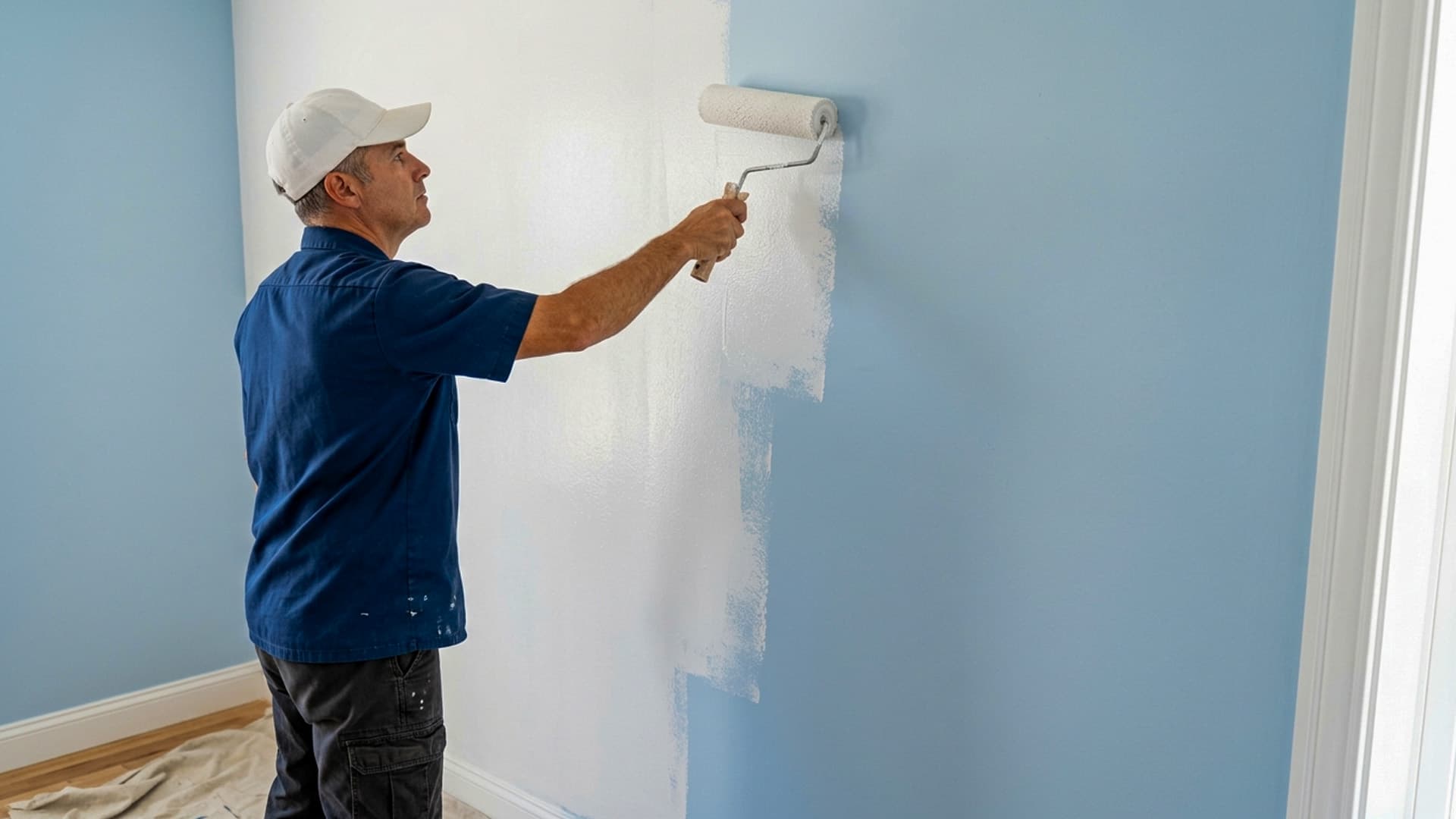
A fresh finish depends on the condition beneath it and the way the work is organised. Painting and renovation planning should connect surface repairs, material choices and the practical needs of the people using the property. This guide explains our approach in Johannesburg and Gauteng; it is not a completed client case study. The image is reference imagery.
Start with the property and the brief
We discuss what needs to change, what should remain and how each room is used. Peeling paint, recurring cracks, water marks and damaged finishes are useful starting observations, but they do not establish a cause by themselves. The assessment should identify straightforward preparation work and questions that require investigation before decorating.
For a renovation, the brief also covers layout, fixtures, services and access. Changes affecting structural elements need appropriate professional assessment and design; they are not treated as ordinary finish repairs. Available drawings and earlier repair records help distinguish confirmed information from assumptions.
Make preparation part of the written scope
A painting quote should describe the surfaces and the preparation included, not just the number of rooms. Depending on the assessed condition, the work may involve cleaning, removing loose coatings, repairing suitable local defects, sanding, sealing or priming. The sequence and products need to suit the existing background and proposed finish.
Recurring damp or movement needs attention before cosmetic repair. Filling a crack or applying stain-blocking paint is not a substitute for resolving the cause. If opening an area reveals a different condition from the one priced, the finding and proposed change should be explained before additional work proceeds.
Protect the surrounding space
Occupied properties need a practical plan for furniture, floors, fittings and access between rooms. Agree which areas will be unavailable, what occupants need to move and how the work zone will be separated from normal household or business activity. Protection and daily housekeeping belong in the scope rather than being left as assumptions.
Phasing can help where the property allows it, but some work still requires temporary loss of a room or service. Discuss noise, dust, ventilation and product drying requirements before the start. A workable schedule is more useful than a promise that renovation work will cause no disruption.
Choose materials for the surface and its use
Paint selection should consider the background, interior or exterior exposure, cleaning needs and the finish you want. Preparation products, primers and finishing coats need to be compatible. A brand name or colour alone does not define the full specification.
Samples help establish colour, sheen and texture under the property's lighting. Where an existing area is patched, discuss whether the quote covers a local touch-up, a complete wall or a wider repaint. Differences in texture and ageing can remain visible even when the colour is close. The agreed extent of decoration should reflect the result being requested.
Coordinate repairs and renovation trades
Plaster, ceilings, flooring, plumbing and electrical alterations can affect each other. Identify the work that must be checked before walls or ceilings are closed, and keep necessary service access available. Later installations should not damage completed finishes without an agreed repair responsibility.
Wet areas need particular coordination between drainage, substrates, waterproofing, tiling and fittings. Product curing and drying requirements must fit into the programme. A surface that looks finished may still be unsuitable for the next trade, so readiness should be checked against the selected system rather than an assumed calendar date.
Agree how the finish will be reviewed
A completion walk-through should compare the work with the written scope and agreed samples. Review coverage, preparation-related defects, edges, junctions and the condition of surrounding areas. Record any outstanding corrections and how they will be addressed rather than treating the first coat or cleared room as final completion.
Keep product names, colour references and care information for future maintenance. Any workmanship or product warranty should be explained in its actual terms. We do not attach a promised resale increase, fixed budget or invented completion result to this approach.
Get a property-specific quote
Our painting services cover interior, exterior and commercial finishes. Renovation services can bring related repairs and alterations into a coordinated scope. Share the suburb, photographs, rooms involved and intended outcome when you request a quote.
The next step may be a site assessment to confirm measurements, surface conditions and access. The resulting proposal should explain the preparation, materials, exclusions and sequence for your property, rather than applying a package based on somebody else's building.
Have a project in mind?
Let's talk about
your property.
Painting, repairs or a bigger renovation. Tell us what needs doing and we will help you plan the next step.