
When a pipe bursts, a roof is damaged or electrical equipment starts behaving dangerously, the first task is not to repair the building. It is to keep people away from the hazard and obtain the appropriate help. A property can be repaired later; photographs, belongings and an insurance report should not take priority over an unsafe situation.
This guide explains how homeowners and property managers in Johannesburg and Gauteng can organise the response once a problem is discovered. It distinguishes emergency assistance, making safe, investigation and permanent reinstatement, because these are often separate stages involving different providers. It is general planning guidance rather than an on-site safety assessment. If there is fire, injury, suspected collapse or another immediate danger, contact the appropriate emergency service. A website form is not an emergency response channel.
Recognise when an area should not remain in use
Some signs justify immediate caution even before the cause is known. These include newly sagging ceilings, falling material, visible instability, sparking equipment, a burning smell or water reaching electrical fittings. Do not continue using the affected space because the fault looks localised. The visible symptom may not show the full extent of damage or the condition of concealed components.
Move people away without approaching the hazard to investigate. In a shared building, alert the responsible manager and prevent others from entering the affected area using safe arrangements. Do not stand beneath a damaged ceiling to move furniture, enter floodwater or climb into a roof space. If escape or access is unsafe, seek emergency assistance rather than improvising a route through the damage.
A contractor should not be expected to declare an area safe from a photograph alone. Images may help explain the situation, but the provider needs to understand the limits of remote advice. Be clear about what you have actually observed, whether the condition is changing and whether anyone is at risk. That information matters more than confidently naming the fault.
Separate a building emergency from a routine urgent repair
An overflowing basin with an accessible, familiar shut-off is different from water entering a distribution board. A roof stain without deformation is different from a ceiling that is visibly bulging. Both examples may need prompt attention, but they do not require the same response or justify the same actions by an occupant.
Do not operate an unfamiliar valve or electrical control to test whether it solves the problem. Only use a clearly identified shut-off if you know how and can reach it without approaching damaged equipment, entering water or putting yourself at risk. Otherwise, leave isolation to the appropriate professional or utility. Do not bypass a safety device or repeatedly reset equipment that trips.
The objective is to avoid turning a manageable situation into a more dangerous one. A calm description can still convey urgency: explain what is happening, where it is occurring and whether the area is already excluded from use. The provider should confirm the next step and availability rather than leaving you to assume that sending a message means assistance has been dispatched.
Respond to water damage without entering unsafe spaces
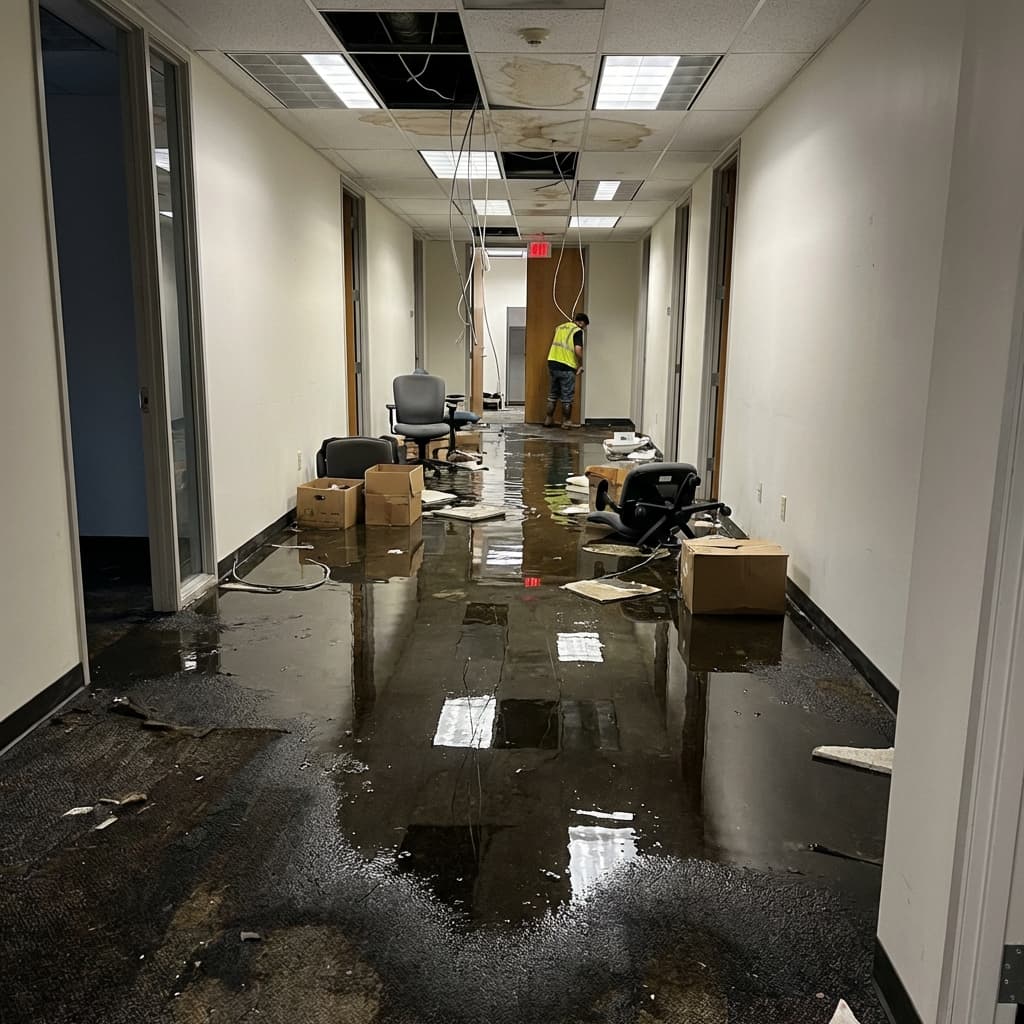
Water can spread through ceilings, cupboards, floors and service routes before its source is obvious. Keep away where there is a risk of falling material, electrical contact or contaminated water. Do not open inspection chambers, enter confined spaces or reach into pooled water to clear an obstruction. The route and condition of the water need proper assessment.
A plumber may need to establish whether the source is a supply pipe, appliance, waste connection or another part of the installation. Roof or facade leakage may require a different provider. Describing when the water appears and what was happening beforehand is useful, but a stain or pool does not determine the cause. Our plumbing services can be discussed once the appropriate safety response is underway.
Once the source is controlled, affected materials still need attention. Stopping the flow does not establish that a ceiling is stable or that electrical equipment can be used. The repair plan should include those remaining questions instead of treating the initial callout as proof that the whole area is ready to occupy.
Treat roof and storm damage as an access risk
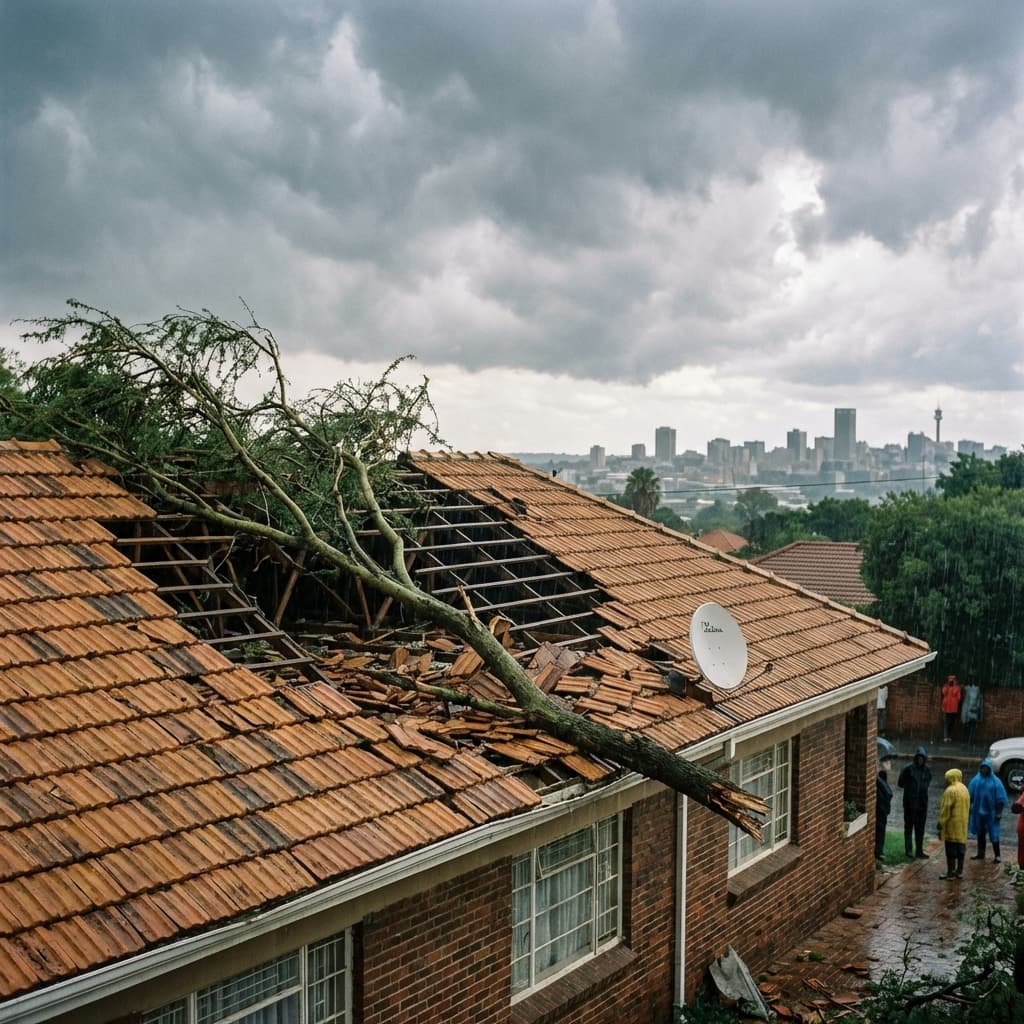
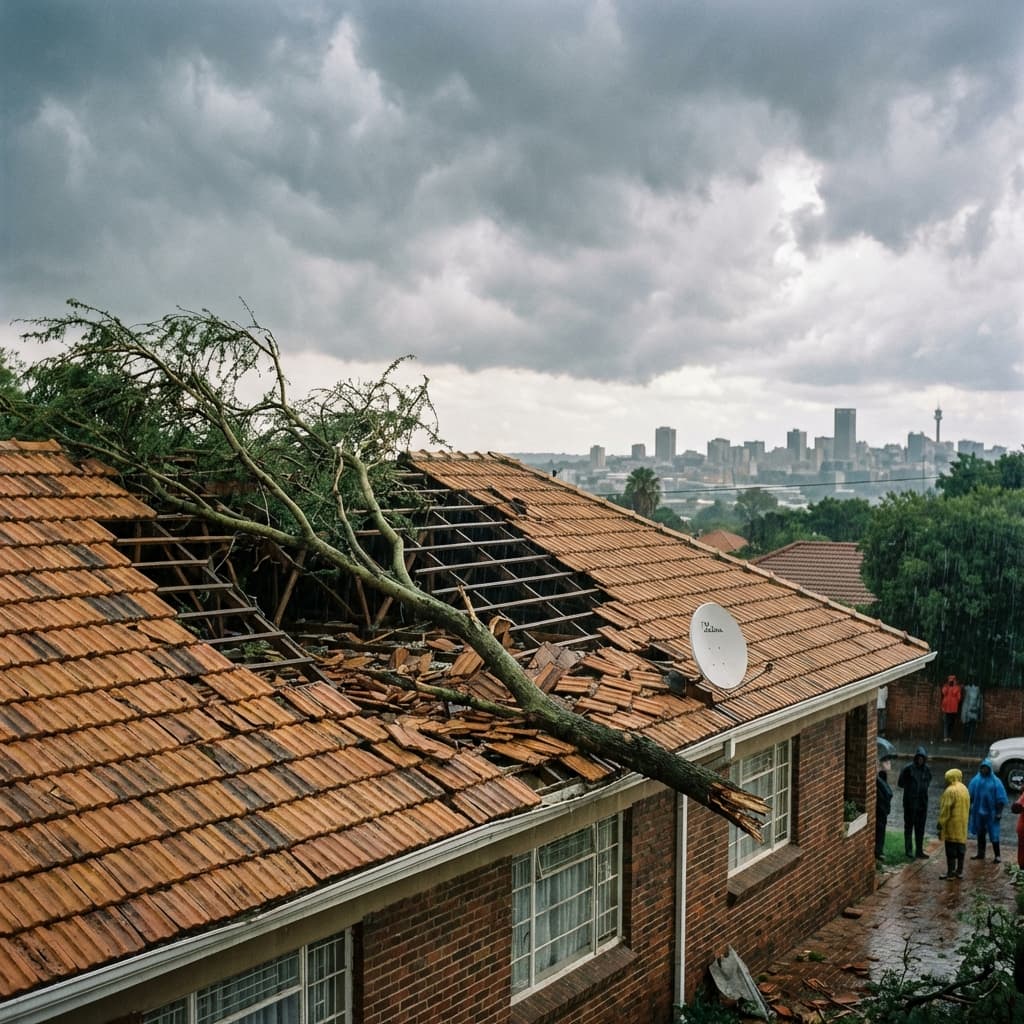
After adverse weather, loose coverings, branches, unstable gutters and fragile roof surfaces may not be easy to assess from below. Do not climb onto the roof to place a sheet or apply a temporary coating. Wet conditions and disturbed materials can make even familiar access routes unsafe, and some hazards remain after the rain stops.
A suitable contractor should assess access and explain what temporary measures are appropriate. The proposal may be limited by weather, daylight, equipment or the condition of the structure. It is better to understand those limits than to expect a permanent waterproofing repair immediately in conditions that do not suit the product or method.
Tell the provider about recent rooftop work and previous leaks, without assuming that either is automatically the cause. Keep records of any emergency measures because a later contractor needs to know what was added or changed. Our roof repair and waterproofing services can form part of the permanent scope after the area and access arrangements have been assessed.
Keep electrical and structural decisions with the right professionals
Water-affected electrical equipment, damaged wiring and repeated faults should be assessed by an appropriately qualified electrical provider. Do not remove covers, reconnect damaged equipment or assume that drying alone has restored safety. The necessary checks depend on the installation and the event, and should be explained by the person responsible for that work.
Suspected structural movement requires a different kind of expertise. A newly displaced wall, unstable support or significant change in a floor or ceiling should not be treated as ordinary patching. Keep clear and obtain the relevant professional assessment. Temporary support and controlled removal can themselves affect stability, so they should not be improvised by occupants.
A general repair contractor may coordinate several parts of the work, but coordination does not replace specialist responsibility. Ask who assesses the hazard, who designs any structural repair and who authorises return to use where such decisions are required. Our electrical work can be discussed as a defined service scope, with appropriate professional input rather than a blanket assurance about all damaged systems.
Give the first provider a useful and accurate brief
Begin with location, property type and the current hazard. Explain whether people have moved away, whether the condition is worsening and whether another provider or utility is already involved. This helps avoid duplicate assumptions, such as a contractor believing that electrical isolation has occurred when it has only been suggested in a message.
Include practical access information. A complex may require authorisation, a business may have restricted entrances and a rental property may need contact with the occupant. Confirm who can approve attendance and work. If several people are communicating, nominate one person to keep the record and share decisions so important details are not lost between separate conversations.
Ask what the attendance covers. An initial visit may be for assessment, making safe or a specific repair, and it may carry a callout or investigation charge. Establish the process for authorising additional work. Urgency does not remove the need for clarity, although immediate protective action may reasonably precede a detailed reinstatement quotation.
Understand the difference between making safe and finishing the repair
Making safe aims to control an immediate hazard or limit further damage. It may involve isolation, restricted access or a temporary measure selected by the appropriate professional. That stage does not necessarily identify every concealed defect or restore the original performance and appearance of the building.
Permanent repairs require a more complete scope. The team may need to investigate the cause, remove affected material, assess what can remain and agree the required replacement or corrective work. Where opening-up is necessary, the quotation should explain what is known and what remains provisional. A fixed price for the visible damage alone can be misleading if the extent is still uncertain.
Ask for temporary arrangements to be documented with their limitations and review requirements. A temporary cover or isolated service should not remain indefinitely simply because the immediate disruption has eased. Identify who is responsible for arranging the next stage and how occupants will be kept informed about restrictions until the permanent work and relevant checks are complete.
Document the event only when it is safe
Photographs, dates and a short timeline can help contractors and insurers understand what happened. Take them from safe positions and avoid entering an excluded area to capture a better angle. Nobody should be asked to collect evidence at the expense of personal safety or to delay obtaining urgent assistance while making a report.
Record observations rather than conclusions. "Water appeared beside the light fitting after rain" is useful; "the entire roof has failed" may not be established. Keep previous repair reports and identify which work occurred before the event. This makes it easier to distinguish new damage, recurring defects and assumptions that still need investigation.
Save communications, attendance notes and invoices together. If an initial provider changes or removes material, ask for an appropriate record where it can be produced safely. Clear documentation supports later decisions, but it does not by itself establish who is responsible or whether a particular cost is recoverable.
Coordinate insurance without assuming the outcome
If you intend to claim, contact your insurer or broker about the reporting and authorisation process. Ask what information is needed and which decisions require approval before non-emergency work proceeds. The appropriate action depends on the policy and circumstances; a general building article cannot determine coverage or promise reimbursement.
Keep the contractor's quote separate from the insurer's assessment. A contractor can describe observed damage, recommend work and provide a price, but does not decide whether the event is insured. Compliance documents and maintenance records may be relevant to the process without guaranteeing a successful claim.
Construction Joburg's insurance-related property repairs can be discussed as a repair and reinstatement service. Necessary safety measures should not be delayed while waiting for a routine administrative response, but later work should follow the applicable authorisation arrangements. Confirm these boundaries so neither the contractor nor the owner relies on an assumption about payment.
Plan drying, reinstatement and decoration in order
Water-damaged material may need drying, treatment, repair or replacement according to its condition. A surface that looks dry does not confirm the state of concealed layers. The project team should explain the checks needed before closing walls, installing finishes or returning affected equipment to service.
The order of work matters. Source repairs generally need to be resolved before final decoration, and concealed service work should be completed before new tiles, boards or paint make access difficult. Coordinate plumbing, electrical, roof and building repairs so one trade does not unintentionally cover an unresolved issue belonging to another.
Agree the intended finish and extent of making good. A local patch can remain visible because of texture, colour or sheen, so a quotation should identify whether whole surfaces or only damaged sections will be repainted. Our interior painting services can be scoped once the underlying issues and readiness of the surfaces are understood.
Use a written close-out process
Before considering the job finished, review the agreed scope, outstanding defects and any restrictions that remain. Retain relevant inspection and test records, photographs and product information. Where a specialist was responsible for an aspect of the work, establish what documentation or confirmation is appropriate for that part of the repair.
An illustrative example is a leak that has been stopped while the ceiling below remains excluded from use. Paying the plumbing invoice does not close the ceiling assessment or electrical questions. A short action list showing each outstanding item, responsible provider and required next step helps prevent the property from drifting back into normal use before the necessary work is complete.
If a symptom returns, share the repair history rather than assuming the new contractor will know what was done. A recurring stain or fault may need a fresh investigation, not another cosmetic treatment. The purpose of close-out records is to support that continuity and make the next decision better informed.
Prepare for future problems without turning the home into a worksite
Keep contact information for relevant emergency services, utilities and regular maintenance providers accessible to occupants. Record the location of familiar isolation points without encouraging anyone to use them in unsafe conditions. Make sure landlords, tenants or building managers know who is responsible for reporting defects and arranging assistance.
A routine maintenance record can help identify recurring leaks, damaged drainage and other issues before they become an urgent disruption. It does not guarantee that emergencies will never occur. The useful aim is clearer awareness, earlier reporting and better information when a professional is needed.
Once immediate safety needs are addressed, you can request a repair assessment from Construction Joburg. Share your suburb, the nature of the damage, any emergency measures already completed and the work that remains unresolved. Availability must be confirmed directly. The next step is a defined assessment and repair plan, not an assumption that an online message has activated an emergency service.